
20 Best Suburbs in Brisbane to Live
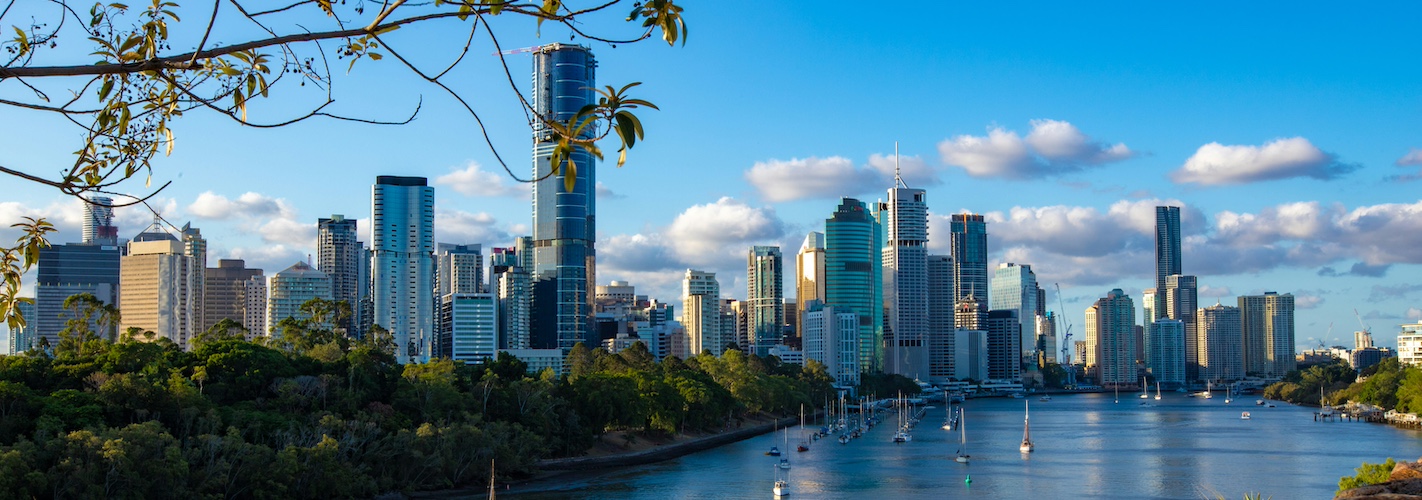
Brisbane is consistently ranked as one of the most liveable cities in the world, thanks to its idyllic subtropical climate, relaxed lifestyle, thriving economy, and diverse mix of suburbs. From trendy inner-city precincts to leafy residential havens, Queensland’s capital offers something for everyone.
While the Brisbane CBD boasts a cosmopolitan buzz, many locals prefer to make their homes in the surrounding suburbs. These vibrant neighbourhoods provide the ideal balance of city convenience with a slice of laidback suburban living. Each suburb has its own distinct character, vibe, and amenities catering to various lifestyles.
Whether you’re a young professional seeking a hip urban scene, a family prioritising great schools and parks, or looking to embrace a peaceful village atmosphere, Brisbane’s sprawling suburbs don’t disappoint. From the iconic Queenslander-lined streets of Ascot to the trendy riverside renaissance of Teneriffe, there’s a neighbourhood to suit every taste.
This guide spotlights 20 of Brisbane’s premium suburban hotspots that continue to entice residents with their unique charm, amenities, and enviable lifestyles. These suburbs represent Brisbane living at its finest – combining heritage beauty with modern flair, access to employment hubs, and an abundance of natural escapes just moments away. Discover what makes each of these locales so special and desirable.
Ascot

This prestigious inner-city suburb is known for its grand Queenslander homes, wide tree-lined streets, and prestigious private schools like Somerville House. Ascot is just 6km from the CBD, making it a desirable option for professionals and families who want easy access to the city. It has a village atmosphere with cafes, boutiques, and parks like Bartleys Hill Reserve.
Hamilton

Located on a bend of the Brisbane River, Hamilton offers a trendy yet laid-back vibe. A mix of heritage Queenslanders and modern apartment buildings, it attracts young professionals and families. The riverside walkways, great dining at Portside Wharf, and proximity to the CBD make it highly liveable. Quirky boutiques and cafes along Racecourse Road add character.
New Farm

One of Brisbane’s most iconic inner-city suburbs, New Farm seamlessly blends a modern urban lifestyle with village charm. Its tree-lined streets are dotted with beautiful Queenslanders, parks like New Farm Park, and the iconic Brunswick Street Mall with al fresco dining and upscale boutiques. Walkable with great cafes and entertainment, it appeals to young professionals.
Bulimba

This riverside suburb has a distinct village feel with the iconic Oxford Street shopping strip as its heart and soul. Lined with jacaranda trees, boutiques, cafes and bars, it’s perfect for leisurely weekend brunches. Bulimba has a welcoming community vibe, cute Queenslanders, parks like Mowbray Park, and is very family-friendly.
Paddington

As one of Brisbane’s trendiest suburbs, Paddington exudes quintessential inner-city cool. Its iconic pre-war cottages and Queenslanders with modern renovations sit alongside converted industrial spaces housing hip cafes, bars and boutiques. Latrobe and Given Terraces are buzzing pedestrian strips. Nearby Suncorp Stadium and Paddington Central add energy.
Hawthorne

Straddling the Brisbane River, leafy Hawthorne offers the best of all worlds. Its mix of beautifully preserved Queenslanders, modern homes, parks like Hawthorne Park, and the lively Oxford Street dining and cafe scene create a suburb appealing to families and professionals. Easy access to the CBD makes it highly convenient.
St Lucia

One of Brisbane’s most prestigious university suburbs, St Lucia is renowned for its historic grand colonial homes along tree-lined streets. It has a mix of heritage residences, modern architect-designed houses, and apartment blocks catered to students. The green Brisbane River corridor adds to its idyllic charm.
Indooroopilly

This large affluent western suburb centres around the iconic Indooroopilly Shopping Centre offering boutiques, dining and entertainment. Nearby are lush parks like Brisbane Botanic Gardens and the University of Queensland campus. It has quality housing from grand Queenslanders to modern family homes and apartments.
Chelmer

Nestled along the winding Brisbane River, Chelmer offers a peaceful respite just 8km from the CBD. Large character homes with perfect river vistas, quiet leafy streets, parks, and easy city access make it appealing to families and professionals. The historic Chelmer railway station and Oxley Creek Common create a community village atmosphere.
Taringa

A quiet inner-city hideaway, Taringa has a friendly village feel with cafes, shops, parklands like Jacobs Ridge, and plenty of classic Queenslander charm. Residents love its convenience with the CBD, hospitals, and universities being easily accessible. The mix of affordable housing options attracts students and families alike.
Wilston

This family-friendly leafy suburb offers a relaxed atmosphere with beautiful tree-lined streets, character Queenslander homes, and parklands like Oakley Park. Cafes and dining on Wilston Village and the local school catchments make it desirable for families. It’s a short commute to the city.
Bardon

Elevated with winding streets and views across Brisbane, Bardon has a relaxed vibe with a mix of classic Queenslanders and newly built architect homes. Native gardens, bushland reserves and parks like Bowman Park provide a leafy outlook. The village heart along Macgregor Terrace offers great amenities.
Grange

A well-established family suburb, Grange offers a diverse mix of housing from classic Queenslanders to modern homes and apartments. It has a thriving local community, good schools, parks, and retail hubs like Grange Village. Its proximity to the airport, CBD, and Chermside makes it very convenient.
Coorparoo

This inner-city suburb has a fantastic community spirit with a lively cafe scene along cobblestoned Stones Corner village, parks like Churchie Playing Fields, and annual events like markets. Charming older homes blend with new apartment complexes. Great cafes, shops, and access to the CBD add to its appeal.
Carina Heights

Perched on hilltops with panoramic views across Brisbane, Carina Heights exudes a peaceful, friendly atmosphere. Large family homes, parklands like Meadowlands Picnic Grounds, and beautiful bushland scenery make it feel like a tranquil oasis moments from the city centre.
Woolloongabba

Once an inner-city working class suburb, Woolloongabba is now revitalised and hip. Iconic Queenslanders mix with modern development, while the famous Gabba cricket ground hosts sporting events. Stanley Street and Logan Road offer trendy bars, restaurants, and entertainment. It has great inner-city living.
Ashgrove

This leafy western suburb has a charming village atmosphere centred around Ashgrove Avenue’s cafes and boutiques. Historic Queenslanders blend with modern homes, family parks, bike trails, and top schools. Its community vibe and convenience to the CBD and amenities are a major draw.
Yeronga

A quiet, family-oriented suburb that offers an idyllic lifestyle. Beautiful parklands like Yeronga Memorial Park, playing fields, quality homes, good school catchments, and easy CBD access make Yeronga highly liveable. Its village hub has cafes and shops creating a lively neighbourhood heart.
Clayfield

One of Brisbane’s most prestigious suburbs, the affluent area of Clayfield showcases grand, immaculately restored Queenslanders along tree-lined streets. Parklands, top private schools, boutique shopping strips, and a tight-knit community add to its exclusivity and charm.
Morningside

With a prime position between the Brisbane River and Gateway Motorway, Morningside offers an inner-city lifestyle with great amenities. Its eclectic mix of old workers cottages and modern homes cater to various budgets. Parks, cafes, shops and easy gateways to the CBD and airport make it highly accessible.
Living in Brisbane
Exploring Fort Lytton: Brisbane’s Historic Coastal Fortress

Perched on the banks of the Brisbane River, where it meets Moreton Bay, stands the imposing remnants of Fort Lytton. This 19th-century coastal fortress played a vital role in the defence of the young colony of Queensland and today serves as a fascinating historical site for visitors to explore.
Originally established in 1881, Fort Lytton was built to protect the crucial port city of Brisbane from potential naval attacks. Its strategic location at the river’s mouth allowed its powerful guns to command the narrow passage leading into the city. The fort’s thick stone walls and robust construction were designed to withstand the heaviest of bombardments.
As you approach Fort Lytton today, you are immediately struck by its impressive scale and formidable appearance. The fort’s two massive gun emplacements, capable of housing two 64-pounder guns each, still stand resolute, their embrasures pointing out towards the bay. Nearby, the underground powder magazines and tunnels that housed the fort’s ammunition and personnel offer a glimpse into the harsh living conditions endured by the soldiers stationed here.
One of the highlights of a visit to Fort Lytton is the opportunity to explore the fort’s intricate system of underground rooms and passageways. These dimly lit spaces, carved into the solid rock, served as living quarters, storage areas, and even a small hospital during the fort’s active years. Guided tours offer fascinating insights into the daily lives of the soldiers who once called this imposing fortress home.
Beyond its military history, Fort Lytton also holds significance as an important site for the traditional custodians of the land, the Yuggera and Turrbal people. The fort’s grounds feature interpretive displays and artworks that acknowledge the deep connection between these Indigenous communities and the surrounding area.
Today, Fort Lytton is managed by the Queensland Parks and Wildlife Service and is open to the public for exploration and educational activities. Visitors can wander the fort’s grounds, taking in the stunning views of the Brisbane River and Moreton Bay, or attend one of the regular reenactments and living history displays that bring the fort’s past to life.
Whether you’re a history buff, a military enthusiast, or simply someone who appreciates the beauty of Queensland’s coastal landscapes, Fort Lytton is a must-visit destination. This historic fortress stands as a testament to the resilience and resourcefulness of early colonial settlers and offers a fascinating glimpse into Brisbane’s rich and storied past.

